
India is witnessing an alarming rise in extreme temperature events, with the year 2026 emerging as a critical point in the country’s climate trajectory. The India’s 2026 Heatwave Crisis: Causes, Impacts & Solutions has become a major topic of concern not only for policymakers but also for aspirants preparing for competitive examinations like UPSC. Heatwaves are no longer seasonal anomalies; they are becoming frequent, intense, and prolonged, affecting millions across the country.
What is a Heatwave?
According to the India Meteorological Department (IMD), a heatwave is declared when the maximum temperature in the plains exceeds 40°C, in coastal areas exceeds 37°C, and in hilly regions exceeds 30°C, along with deviations from normal temperatures. In recent years, these thresholds have been crossed more frequently, indicating a disturbing trend.
The India’s 2026 Heatwave Crisis: Causes, Impacts & Solutions reflects a broader global pattern linked to climate change, but India’s geographical and socio-economic conditions make it particularly vulnerable.
Causes of the 2026 Heatwave
1. Climate Change and Global Warming
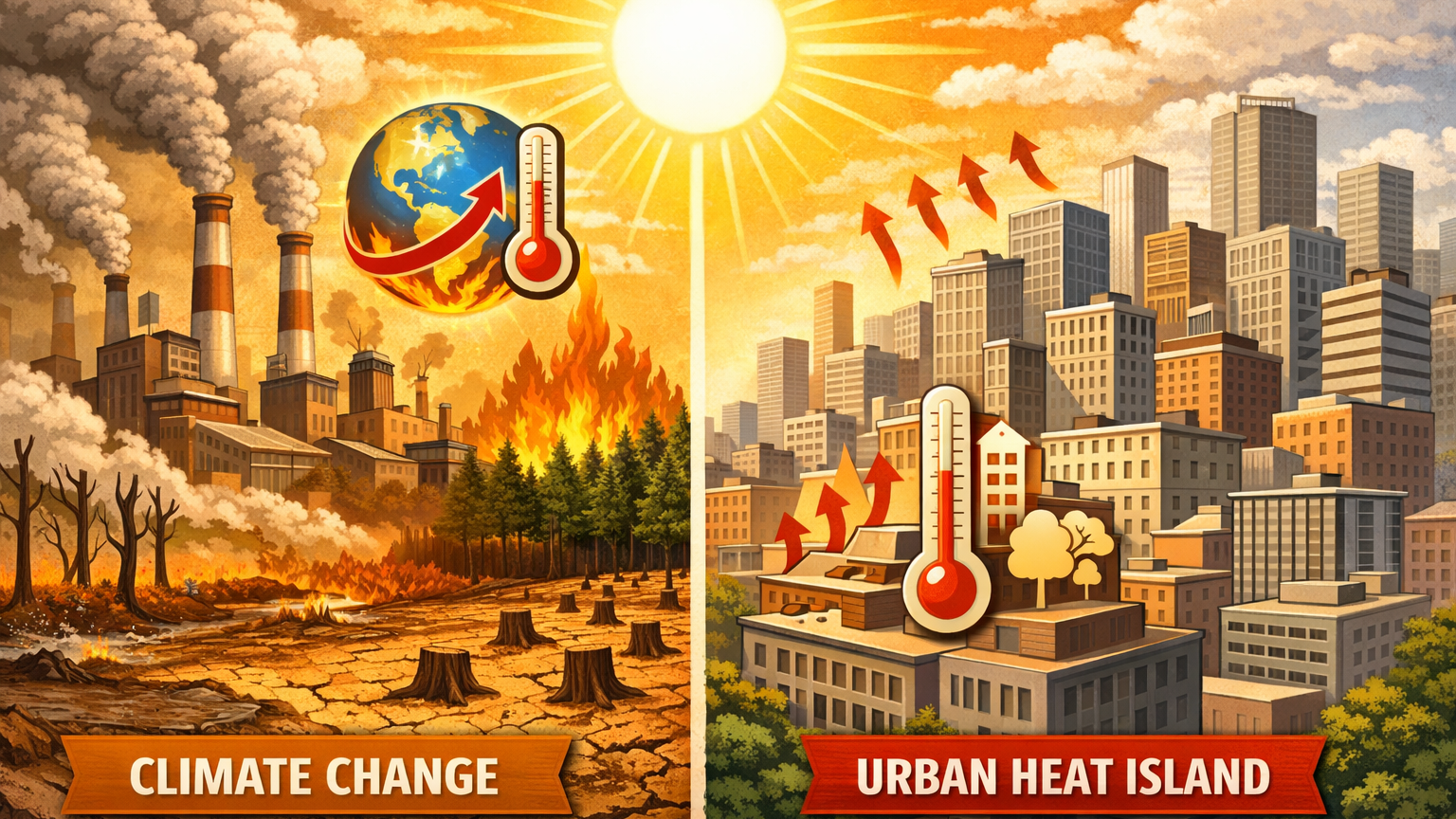
The primary driver behind the rising intensity of heatwaves is global warming. Increased greenhouse gas emissions have led to a steady rise in global temperatures. India, being located in the tropical region, is highly sensitive to such changes.
2. El Niño Effect
The El Niño phenomenon, characterized by warming of surface waters in the Pacific Ocean, has contributed significantly to abnormal weather patterns. It disrupts monsoon cycles and leads to drier and hotter conditions in India.
3. Urban Heat Island Effect
Rapid urbanization has resulted in the replacement of green cover with concrete structures. Cities like Delhi, Mumbai, and Ahmedabad experience higher temperatures than surrounding rural areas due to heat absorption and retention by buildings and roads.
4. Deforestation and Land Degradation
Loss of forest cover reduces the natural cooling effect of vegetation. Deforestation also leads to decreased evapotranspiration, which otherwise helps regulate temperature.
5. Changing Monsoon Patterns
Delayed or weak monsoons have aggravated heatwave conditions. Reduced rainfall leads to dry soil, which heats up faster, intensifying the heatwave cycle.
The combination of these factors explains the severity of the India’s 2026 Heatwave Crisis: Causes, Impacts & Solutions and highlights the need for urgent intervention.
Impacts of the Heatwave
1. Human Health Crisis
Heatwaves pose a serious threat to public health. Cases of heatstroke, dehydration, and cardiovascular stress have increased significantly. Vulnerable groups such as the elderly, children, and outdoor workers are at the highest risk.
2. Agricultural Losses
India’s agrarian economy is highly dependent on climatic conditions. Extreme heat damages crops like wheat, pulses, and vegetables, leading to reduced yields and economic losses for farmers.
3. Water Scarcity
Rising temperatures increase evaporation rates, leading to depletion of water bodies. Many regions face acute water shortages, affecting both drinking water supply and irrigation.
4. Energy Demand Surge
The demand for electricity rises sharply during heatwaves due to increased use of air conditioning and cooling devices. This puts pressure on power infrastructure and may lead to outages.
5. Environmental Degradation
Heatwaves contribute to forest fires, loss of biodiversity, and degradation of ecosystems. Wildlife is also severely affected due to lack of water and shelter.
The widespread consequences underline the urgency of addressing the India’s 2026 Heatwave Crisis: Causes, Impacts & Solutions in a comprehensive manner.
Government Initiatives and Policies
1. Heat Action Plans (HAPs)
Several states have implemented Heat Action Plans to mitigate the impact of heatwaves. These include early warning systems, public awareness campaigns, and emergency response measures.
2. National Action Plan on Climate Change (NAPCC)
The government has launched missions focusing on sustainable agriculture, water conservation, and solar energy to combat climate change.
3. Urban Planning Reforms
Efforts are being made to incorporate green infrastructure, such as urban forests, cool roofs, and reflective pavements, to reduce urban heat.
4. Jal Jeevan Mission
This initiative aims to provide safe and adequate drinking water, which becomes crucial during extreme heat conditions.
Adaptation and Mitigation Strategies
1. Enhancing Green Cover
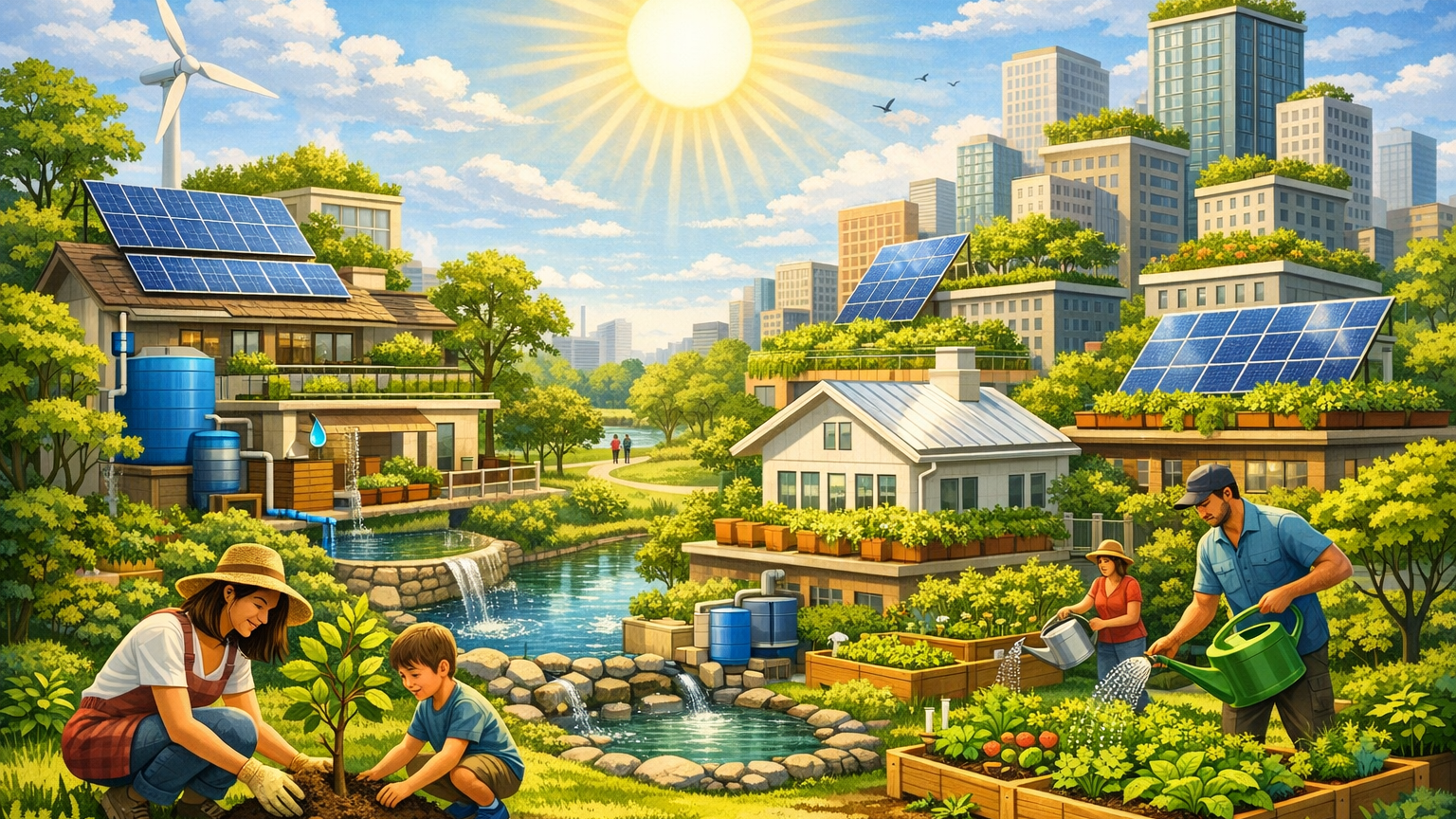
Afforestation and urban greening can significantly reduce temperatures. Planting trees and creating green belts act as natural coolants.
2. Sustainable Urban Design
Promoting eco-friendly construction materials, rooftop gardens, and better ventilation systems can help mitigate the urban heat island effect.
3. Water Conservation Techniques
Rainwater harvesting, efficient irrigation methods like drip irrigation, and reuse of wastewater can help address water scarcity.
4. Public Awareness and Behavioral Change
Educating people about heatwave precautions, such as staying hydrated and avoiding outdoor activities during peak hours, can save lives.
5. Technological Interventions
Use of climate-resilient crops, weather forecasting tools, and early warning systems can help reduce the adverse impacts.
Addressing the India’s 2026 Heatwave Crisis: Causes, Impacts & Solutions requires coordinated efforts from the government, private sector, and citizens alike.
Conclusion
The increasing frequency and intensity of heatwaves in India signal a pressing environmental and socio-economic challenge. The India’s 2026 Heatwave Crisis: Causes, Impacts & Solutions is not just a climatic issue but a developmental concern that demands immediate and sustained action. From strengthening policy frameworks to promoting sustainable lifestyles, every step counts in building resilience against future heatwaves.
For UPSC aspirants, this topic holds relevance under General Studies Paper III (Environment, Disaster Management, and Climate Change). A multidimensional understanding of causes, impacts, and solutions is essential for both prelims and mains preparation.
Prepare Smart with Kesari IAS Mentorship
Understanding topics like India’s 2026 Heatwave Crisis requires more than just reading—it demands clarity, analysis, and answer-writing skills aligned with UPSC standards.
At Kesari IAS, we guide aspirants with a focused and result-oriented approach through:
- Integrated Current Affairs + GS Preparation
- Personalized Mentorship & Answer Writing Practice
- Regular Tests with Detailed Feedback
- Strategy Building for Prelims & Mains
Take the next step towards your UPSC journey with the right guidance:
🔗 Know More About Mentorship: https://kesarias.com/mentorship
🔗 Contact Us: https://kesarias.com/contact
Start your preparation with direction, discipline, and expert mentorship.